

How to Be a Great Salon Receptionist: Skills, Responsibilities, and Proven Front Desk Practices That Drive Salon Growth

Introduction
In the salon industry, talent behind the chair often receives the spotlight, but real business stability begins at the front desk. A salon receptionist is not merely someone who answers calls or checks clients in.
Research across service industries consistently shows that customers remember how they were treated far more than the technical outcome of a service. In salons, this effect is amplified because services are personal, emotional, and trust‑based.
A great receptionist can increase client retention, reduce no‑shows, improve staff productivity, and raise overall revenue.
This guide breaks down what truly makes a salon receptionist exceptional, how the role has evolved in modern salons, and why investing in front‑desk excellence is no longer optional.
Table of Contents
- Why Is the Salon Receptionist Role So Critical to Client Experience and Business Success?
- What Communication Skills Separate an Average Receptionist From a Great One?
- How Does Body Language Influence Client Trust at the Salon Front Desk?
- Why are Organisational Skills Non‑Negotiable for Salon Receptionists?
- How Important Is Phone Etiquette in Converting Inquiries Into Bookings?
- Why Should a Salon Receptionist Deeply Understand Services and Pricing?
- How Does Accurate Record‑Keeping Improve Personalisation and Retention?
- What Does “Going the Extra Mile” Actually Mean in a Salon Setting?
- How Does the Salon Receptionist Directly Impact Revenue and KPIs?
- How MioSalon Turns Your Reception Desk Into a Revenue
- Conclusion
Why Is the Salon Receptionist Role So Critical to Client Experience and Business Success?
The moment a client steps into a salon, their experience begins long before the stylist greets them. The receptionist sets the emotional tone. A warm, attentive welcome can ease anxiety, while a distracted or rushed interaction can instantly create doubt about the salon’s professionalism.
From a business perspective, the receptionist controls the salon’s most valuable asset: time. Appointments, walk‑ins, cancellations, reschedules, and wait times all flow through the front desk.
Even small inefficiencies, such as a missed call or incorrect booking, can snowball into lost revenue and poor reviews.
In high‑performing salons, the receptionist actively contributes to:
- Smoother appointment flow throughout the day
- Higher repeat booking rates
- Fewer conflicts between staff and clients
- Stronger first impressions that lead to long‑term loyalty
This is why the receptionist is not a support staff member. They are a brand representative and a revenue protector.
What Communication Skills Separate an Average Receptionist From a Great One?
Exceptional salon receptionists understand that communication is not limited to words. It includes tone, timing, facial expressions, and emotional awareness.
Clients often arrive with expectations, insecurities, or stress, and the receptionist’s job is to make them feel acknowledged and comfortable from the very first interaction.
Strong communication shows up in subtle but powerful ways, such as:
- Acknowledging clients immediately upon entry, even during busy moments
- Using the client’s name naturally instead of sounding scripted
- Explaining delays honestly rather than avoiding the conversation
- Keeping a calm, friendly tone under pressure
Verbal communication matters deeply during phone calls as well – The way a receptionist answers the phone, introduces the salon, and responds to questions directly affects a client’s confidence in booking.
Equally important is listening – Receptionists who listen carefully reduce errors, understand client needs better, and prevent misunderstandings. When paired with access to client history, listening transforms routine interactions into personalised experiences.
How Does Body Language Influence Client Trust at the Salon Front Desk?
Body language often communicates more than spoken language. A receptionist who maintains eye contact, smiles naturally, and keeps an open posture sends a clear signal of professionalism and care.
On the other hand, crossed arms, lack of acknowledgement, or constant phone use can make clients feel ignored. Clients subconsciously judge whether a salon is organised and trustworthy within seconds of arrival.
The receptionist’s body language heavily influences this judgment. This is why many successful salons train front‑desk staff on posture, facial expressions, and emotional control during stressful situations.
Why are Organisational Skills Non‑Negotiable for Salon Receptionists?
Salon environments are fast‑moving and unpredictable. Multiple stylists, overlapping appointments, walk‑ins, retail sales, and last‑minute changes happen daily. Without strong organisational skills, confusion quickly replaces control.
A skilled receptionist accurately tracks schedules, service durations, staff availability, and client flow. This prevents double bookings, minimises downtime, and ensures that services start and end on time.
Daily, a strong organisation usually involves:
- keeping appointment schedules updated in real time
- ensuring accurate service durations are blocked
- coordinating stylist availability and breaks
- managing walk‑ins without disrupting existing bookings
Modern salons rely heavily on digital tools to manage this complexity. Receptionists who are confident in using salon software are significantly more effective than those who rely on memory or paper notes.
How Important Is Phone Etiquette in Converting Inquiries Into Bookings?
For many potential clients, the first interaction with a salon happens over the phone. This single call often determines whether they book or move on to another salon.
Professional phone etiquette involves more than answering quickly. It requires guiding the conversation with confidence, understanding client needs, and helping them make a decision. Great receptionists do not merely respond; they consult.
Key habits that improve booking conversion include:
- Answering calls promptly with a clear salon introduction
- Asking the right questions to understand client expectations
- Confidently explaining services and pricing
- Confirming details before ending the call
Tone control remains critical, especially during peak hours. Clients should never feel like an interruption, even when the salon is busy.
Why Should a Salon Receptionist Deeply Understand Services and Pricing?
A receptionist without strong service knowledge quickly becomes a bottleneck. Clients expect immediate, confident answers about pricing, duration, and suitability. Hesitation creates doubt and weakens trust.
When receptionists fully understand the salon’s offerings, they can:
- Explain the differences between similar services
- Set realistic expectations around time and results
- Recommend suitable add‑ons or upgrades
- Communicate pricing clearly and confidently
This depth of understanding positions the receptionist as a consultant rather than a gatekeeper. Over time, it reduces complaints, increases satisfaction, and raises average booking value.
How Does Accurate Record‑Keeping Improve Personalisation and Retention?
Modern clients expect personalised experiences. Remembering preferences, past services, and purchase history makes clients feel valued and understood. This level of service is impossible without accurate records.
Receptionists play a central role in maintaining client profiles that typically include:
- Previous services and stylist preferences
- Retail products purchased
- Allergy notes or special requests
- Visit frequency and booking patterns
These records enable smoother future bookings, targeted recommendations, and meaningful follow‑ups. Over time, this data becomes one of the strongest drivers of client retention.
What Does “Going the Extra Mile” Actually Mean in a Salon Setting?
Going the extra mile is not about grand gestures. It is about consistency in small, thoughtful actions that clients quietly notice and remember.
In everyday salon operations, this often looks like:
- Greeting repeat clients by name
- Offering water or refreshments without being prompted
- Updating clients honestly about wait times
- Handling complaints with calm empathy
Great receptionists anticipate needs rather than reacting to problems. These small behaviours build trust and strongly influence how clients perceive the salon.
How Does the Salon Receptionist Directly Impact Revenue and KPIs?
The front desk influences measurable business outcomes more than many salon owners realise. Appointment utilisation, no‑show rates, retail conversion, and repeat bookings are all affected by receptionist performance.
By confirming appointments, encouraging pre‑booking, and managing cancellations effectively, receptionists protect revenue. By recommending products or future services at checkout, they increase average transaction value. Over time, these actions have a direct impact on profitability.
TLDR, don’t worry, I got you. To sum it all up,
Why Your Front Desk Is Your First Growth Channel?
- Skill 1: Organisational Excellence
Receptionists juggle overlapping appointments, walk-ins, cancellations, and reminders often at once. Without systems like automated calendars and alerts, chaos creeps in fast.
- Skill 2: Clear, Empathetic Communication
How you say it matters as much as what you say. Receptionists who combine clarity with warmth defuse tension, upsell naturally, and make clients feel valued.
- Skill 3: Tech Confidence
Modern front desks run on tools, not registers. From booking and billing to rebooking and CRM, receptionists must be fluent with salon software to save time and reduce errors.
- Skill 4: Professional Composure
Late clients, angry walk-ins, and phone chaos test every receptionist’s nerves. Staying calm under pressure builds trust, reinforces your brand, and protects team morale.
- Skill 5: Record-Keeping & Personalisation
Receptionists who log preferences, feedback, and history unlock repeat business. With MioSalon, personal touches like “preferred stylist” or “allergic to almond oil” are never forgotten.
- Skill 6: Upselling With Subtlety
Great receptionists don’t “sell”, they recommend. Whether it’s retail products, service combos, or memberships, front desk suggestions can quietly increase average bill value.
- Skill 7: Real-Time Prioritisation
No two hours at the front desk are the same. Receptionists must triage between what’s urgent, what’s high-value, and what can wait.
How MioSalon Turns Your Reception Desk Into a Revenue
In a growing salon, the reception desk is where everything converges: calls, walk-ins, payments, complaints, rebookings, staff coordination, and first impressions.
Yet in most salons, receptionists are expected to manage this chaos using tools that were never designed for modern salon operations.
Paper registers. Memory-based follow-ups. Scattered WhatsApp messages. Manual billing. The result is not inefficiency alone; it is missed revenue, stressed staff, and inconsistent client experiences.
MioSalon changes this entirely. Instead of acting as a human switchboard, the receptionist becomes a calm, informed, confident experience manager, backed by a system that anticipates needs, reduces errors, and quietly drives growth in the background.
What Actually Changes at the Front Desk With MioSalon?
Receptionists stop reacting to problems and start controlling the flow of the day. They know who is coming, what they want, how valuable they are, and what opportunities exist in every interaction.
MioSalon becomes a silent front-desk partner, handling repetitive work while empowering receptionists to focus on client trust, retention, and revenue.
How 24/7 Online Booking Reduces Front-Desk Pressure and Increases Revenue
Without online booking, every missed call is a missed appointment.
Receptionists are forced to choose between answering the phone, attending walk-ins, or managing billing, and something always slips.
With MioSalon’s 24/7 online booking:
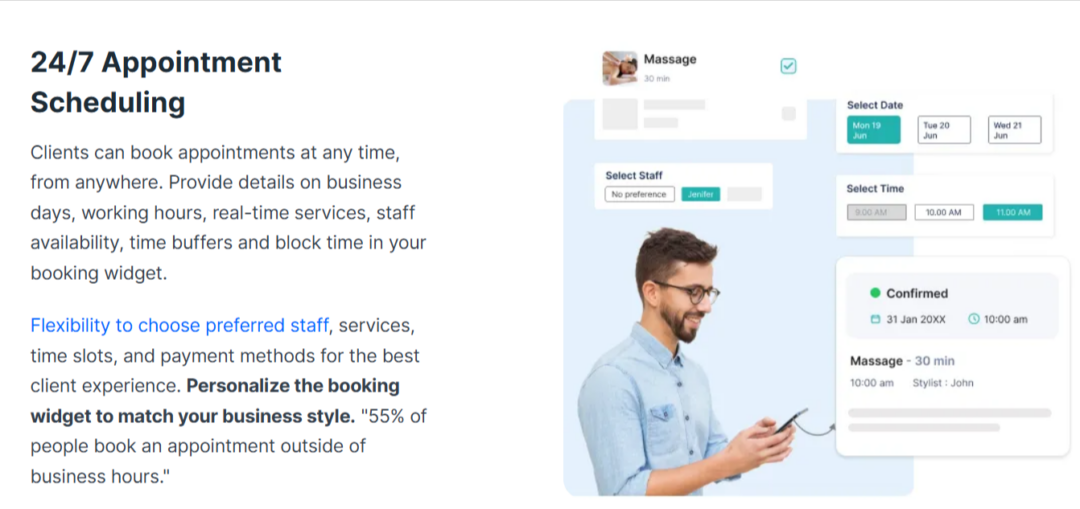
- Appointments are booked even when the salon is closed
- Clients choose services, stylists, and time slots without back-and-forth calls
- The front desk starts the day with a structured, predictable schedule
This directly reduces receptionist stress during peak hours and ensures appointment slots don’t stay empty due to unanswered calls.
More importantly, receptionists are no longer gatekeepers for bookings. They become experienced managers, focusing on in-salon clients instead of juggling phone lines.
How Automated Reminders Cut No-Shows Without Awkward Follow-Ups
Chasing clients for confirmations is uncomfortable and time-consuming.
When reminders rely on manual calls or messages, they are inconsistent, and no-shows become “part of the business.”
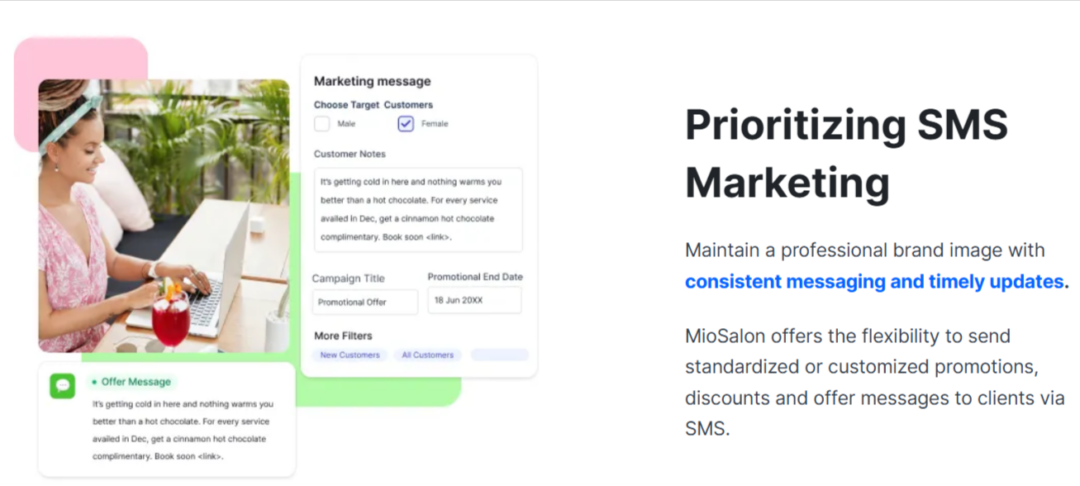
MioSalon’s automated SMS and email reminders completely change this dynamic.
- Clients receive timely, professional reminders automatically
- Confirmation happens without the receptionist’s intervention
- Last-minute cancellations have reduced significantly
This means fewer empty chairs, smoother daily schedules, and less frustration at the front desk.
Receptionists no longer have to apologise for missed appointments; they operate in a system where attendance is expected, not hoped for.
How Built-In CRM Helps Receptionists Personalise Every Interaction
In most salons, client history resides in the receptionist’s memory, and that breaks down when staff changes or the salon expands.
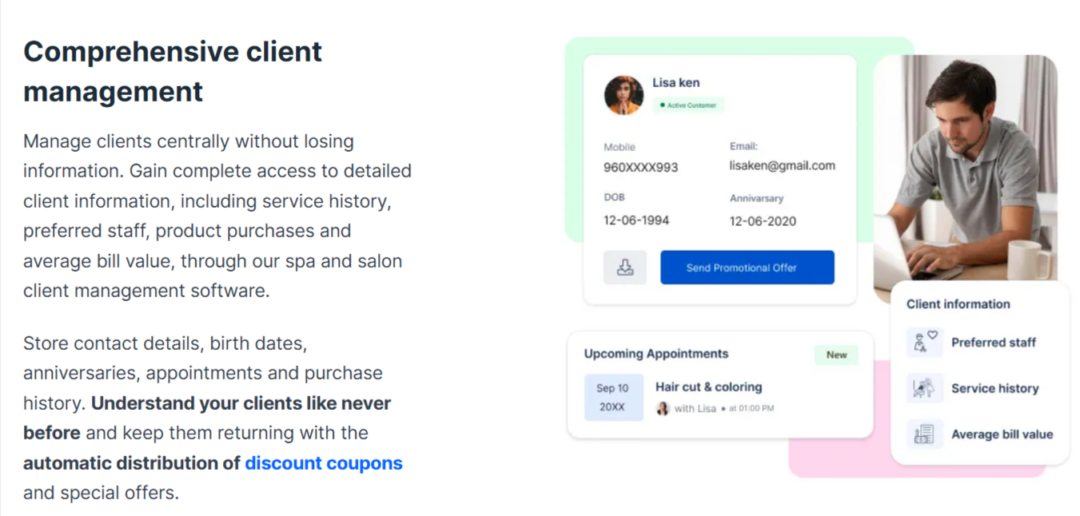
MioSalon’s built-in CRM gives receptionists instant visibility into:
- Previous visits and services
- Preferred stylists and timings
- Retail purchases and service frequency
- Notes on preferences, allergies, or concerns
So when a client walks in or calls, the conversation instantly feels familiar, not transactional.
This level of personalisation builds trust, makes clients feel valued, and increases repeat visits, all without the receptionist having to “remember everything.”
How Integrated Billing and POS Eliminate Counter Confusion
Billing is one of the most error-prone areas at the reception desk.
Manual calculations, service mismatches, discount confusion, and payment tracking issues slow down checkout and damage the client experience.
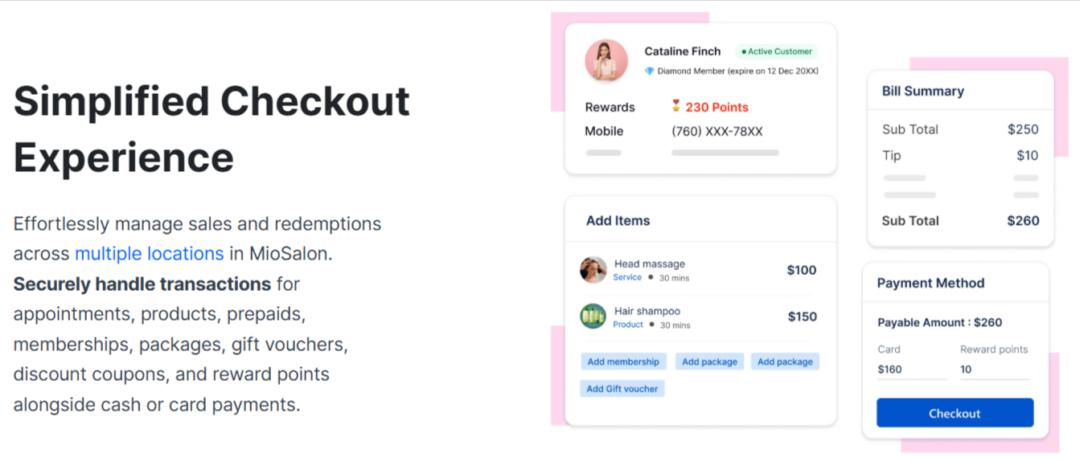
With MioSalon’s integrated billing and POS:
- Services automatically convert into accurate bills
- Discounts, packages, and memberships apply correctly
- Payments are tracked in real time across modes
Receptionists spend less time correcting mistakes and more time maintaining a smooth, professional checkout flow.
Clients leave with clarity and confidence, and not with confusion or delays.
How Real-Time Dashboards Turn Receptionists Into Decision-Makers
Receptionists are often the first to sense when something is off, a slow day, a packed evening, repeated cancellations, but without data, these insights stay informal.

MioSalon’s dashboards give receptionists and managers clear visibility into:
- Appointment flow throughout the day
- Peak hours and underutilised slots
- Daily revenue performance
This allows receptionists to act proactively, suggesting better time slots, managing walk-ins smarter, and supporting managers with real operational insight.
They are no longer just executing instructions; they are contributing to business decisions.
How MioSalon Helps Receptionists Drive Revenue Naturally
Upselling often fails because it feels forced or scripted.
MioSalon replaces guesswork with context.
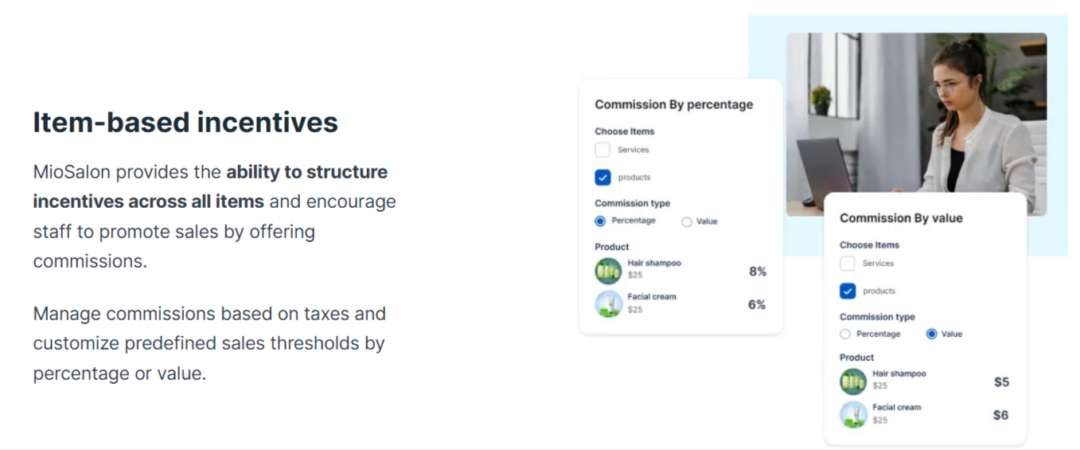
When receptionists can see service patterns and visit history, they can:
- Encourage pre-booking at the right moment
- Suggest add-on services that actually make sense
- Remind clients about relevant retail products
These conversations feel helpful, not salesy, because they are based on real client behaviour. Over time, the front desk becomes a consistent revenue contributor, not just a cost centre.
The Result
With MioSalon, the receptionist role evolves from reactive task management to proactive business impact.
They:
- Control the day instead of chasing it
- Build stronger client relationships
- Support revenue growth without pressure
- Represent the salon with confidence and professionalism
This is how MioSalon transforms the front desk from a bottleneck into a growth engine.
Conclusion
In today’s competitive salon industry, success is no longer driven by talent alone. While skilled stylists and premium services matter, long-term growth depends on how efficiently and thoughtfully the salon operates and that responsibility begins at the front desk.
The salon receptionist is no longer an administrative afterthought but a strategic role that shapes client perception, loyalty, and revenue consistency. From managing appointments and handling inquiries to personalising experiences and encouraging repeat visits, their influence extends far beyond basic coordination.
The right technology becomes an advantage rather than an operational burden.
When receptionists are backed by intelligent, salon-specific software, they spend less time fixing problems and more time creating value.
Book a Free Demo to experience it in action.
How to Get Started?
1. Book a Free Demo – See MioSalon in action. Our team will walk you through the features that match your salon’s needs.
2. Personalised Onboarding – Once you’re ready, we’ll set up your account, import your data, and tailor the software to your services, team, and preferences.
3. Staff Training & Support – We’ll train your team to use the system smoothly, including appointments, payments, client records, and more.
4. Go Live – Start taking bookings, sending reminders, and managing your salon efficiently. You’re all set to shine.
Start your Free Demo and see it in action! To learn more about the pricing plan, visit MioSalon’s Pricing Page.
FAQs
1. What are the most important skills for a salon receptionist?
Strong communication, organisation, service knowledge, phone etiquette, and emotional intelligence are the most important skills. These directly affect bookings, client satisfaction, and retention.
2. How does a salon receptionist contribute to revenue growth?
By managing appointments efficiently, reducing no-shows, encouraging rebookings, and supporting retail or service upgrades, receptionists directly influence salon KPIs and daily revenue.
3. Why is front desk management critical in salons?
The front desk controls time, client flow, and first impressions. Poor management leads to missed calls, scheduling errors, unhappy clients, and revenue loss.
4. How can salon software improve receptionist performance?
Salon software automates bookings, reminders, billing, and client records, reducing manual work and errors while helping receptionists focus on client experience and revenue-driving actions.
5. Is a salon receptionist just an administrative role?
No. A modern salon receptionist is a brand representative, experience manager, and revenue protector who plays a strategic role in salon growth.